

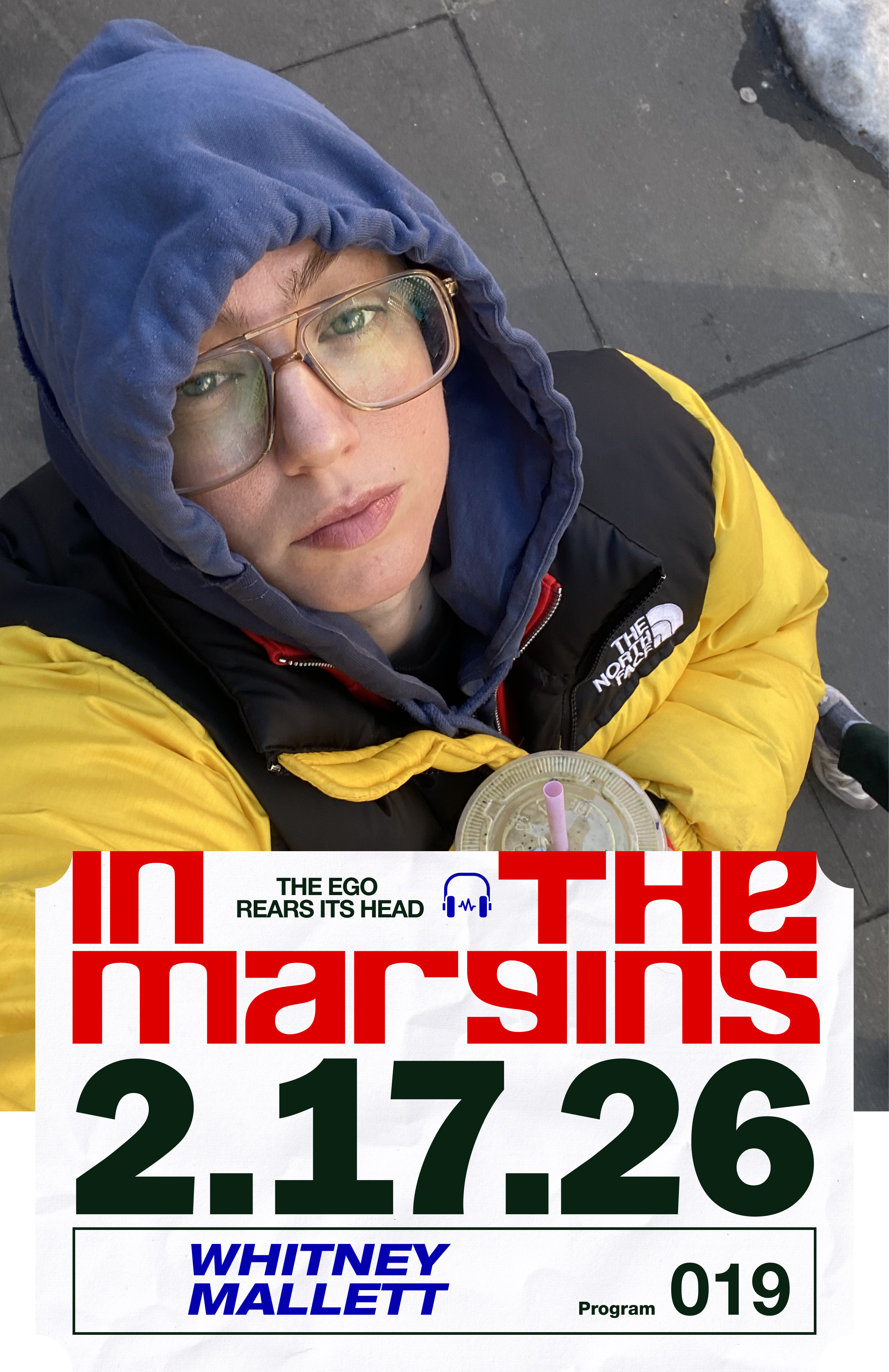
Why is it called the steeple chase? I always imagined it was because there was something hot on the runners’ heels that they were fleeing. Maybe self-doubt. In any race, as much as we’re barrelling forward in pursuit of a win, we’re running away from being a loser. Trying to outrun each other is the objective and yet besides the point. The competitors are incidental to the ego. That’s really what Focus on your own race, or Beat the clock, not the runners, means. A personal best without a gold is still a win. Whether we beat others or ourselves, victory is sublimated into who we see ourselves to be.
I wish I didn’t see myself as my achievements. If I wasn’t competitive, though, I’m not sure I’d have any discipline. Is ego the carrot I use to trick myself into getting out of bed in the morning? Because I’m certainly getting out for less than $10,000, even failing to adjust for inflation.
I see writing a lot like running. You keep a consistent routine, three miles a day or however many morning pages, even when you don’t feel like it. That’s how you stay in shape. It’s how you develop so your best is better when the pressure’s on and it’s time to perform.
The best advice I got for keeping a regular running practice wasn’t about running at all. It was from the book How To Write A Novel in 90 Days (the Ottessa Moshfegh lore put me on). I never wrote a novel or even finished the hacky guide, but the way they talked about building a habit got me lacing up my sneakers on the daily. You have to melt your resistance over time like you melt a block of ice. Day by day, you break down the friction between wanting to do something and doing it. You become who you want to be in an accumulation of these small actions. A novelist, a runner, a person who can goblet-squat 60 pounds.
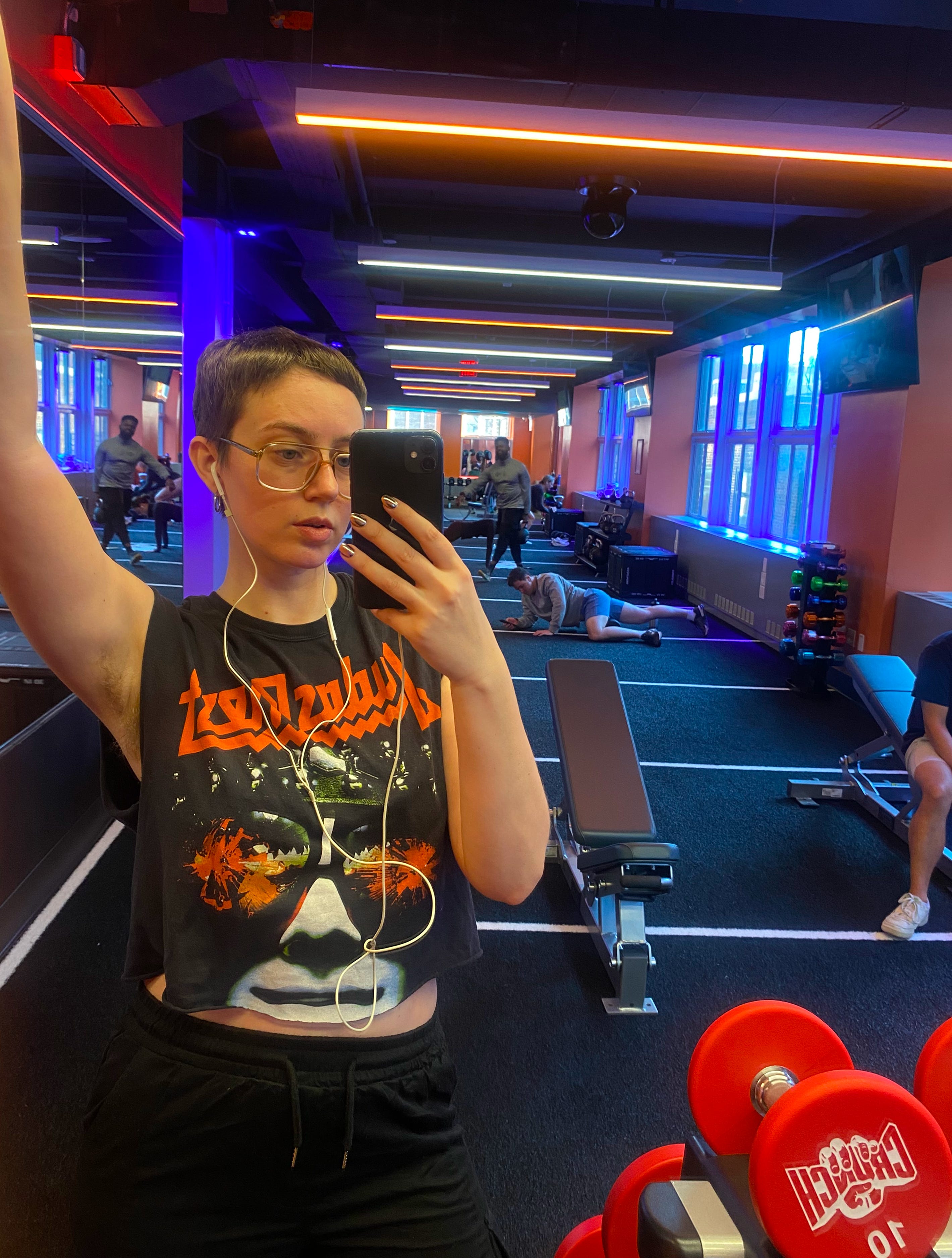
Ack! This essay is veering into self-help. So middlebrow, like my Crunch membership. Long ago, my ego might’ve curdled at the idea of committing to something as unremarkable as going to a mid-market chain, not gainzmaxxing, just steady maintenance like dental flossing your teeth. Clocking into a session in faded leggings and an oversized band tee. Showing up on an accumulation of days to lift, while watching CSI on the overhead screens. Slowly upping my weights, sometimes slipping back after weeks or months away, and having to rebuild to the same number again. It’s humbling.
Someone’s always saying the problem with sOciEtY is we’re the participation-trophy generation. I personally can’t recall any relief in my early years from the constant brutal measurement of rank and standing. I hate to admit I’m a late bloomer (it reads as losing) but it was only recently, well into my 30s, that I realized scoring in the top percentiles and running the fastest splits didn’t win me any foundation for self-esteem. I learned, from a self-help book I’ll concede, self-esteem is an internal sense of worth, not conditional on any outcome.
Athletic records dating back to at least the 1920s logged a runner’s fastest times, but it was several decades later that “personal best” entered common usage — first in track & field, and later in other individual sports like weightlifting, swimming, and cycling. In 1982, Personal Best brought the phrase into wider mainstream awareness as the title of a Warner Brothers film: Mariel Hemingway plays a pentathlete entangled psychosexually with her teammate who’s choking up and not achieving her potential. By the end of the decade, child psychologists were cautioning against high-pressure parenting and a win-at-all-costs mentality. Andre Agassi’s father became a cautionary figure. The tennis star took to the talk show circuit processing the harm of the relentless admonitions he got as a kid: “If you lose, I’ll kill you.”
This softening around high-stakes pressure had taken hold by the time I was growing up in the 1990s. Results still mattered, but competition was reframed, made healthier, a focus on wellbeing balanced out the merit of a challenge. The wisdom of focusing on your own race is that it’s the only race entirely in your control. Tracking progress against your own benchmarks is the motivation for effort and discipline. Still, I never got the sense anyone around me had actually stopped caring about winning. It was rather that the paragon of virtue was to be focused only on yourself and then that could help you win. Not only does it show class but you perform better as an athlete when you’re not distracted by outside noise or psyched out by your competition.
Last summer on TV I watched Sydney McLaughlin-Levrone break her own world record in 400m hurdles. There’s no one close to touching her. She’s broken her own world record a total of six times. This is when people really see the virtue in competing against yourself. When you’re already so much better than everyone, and you are truly your only competition. When the field isn’t at your neck, and you still give it everything you’ve got to put up a PB. It’s effort that smells like integrity. You become who you want to be in an accumulation of small actions. You become someone who refuses to betray their own potential.
I’ve always taken for granted that this you-versus-yourself ethos is constructive, but I’ve wondered lately whether the same trap still lurks: even when the competition is only with yourself, it’s easy to confuse performance with worth. Measuring yourself by any outcome is not real self-esteem. But then how do you stay motivated if you step away from any and all outcome-driven thinking?
Buddhist practice offers one approach. Effort remains virtuous, but right effort is less about achieving a specific result and endeavoring in a way that’s mindful, measured, neither frantic striving nor idle inaction. The discipline lies in attention to the present moment, quieting the suffering that comes from clinging to an image of who you’ve been or who you’re supposed to be. A fixed self is illustory.
Even when I chase the sensation of dissolution, I wonder if I’m seeking the moment of leaving it all on the mat or the sense after when I’ve become the person who has left it all there. Emptying everything out, by obliterating the self and feeling completely spent, can still build up a sense of who you are swollen with pride. The ego rears its head.
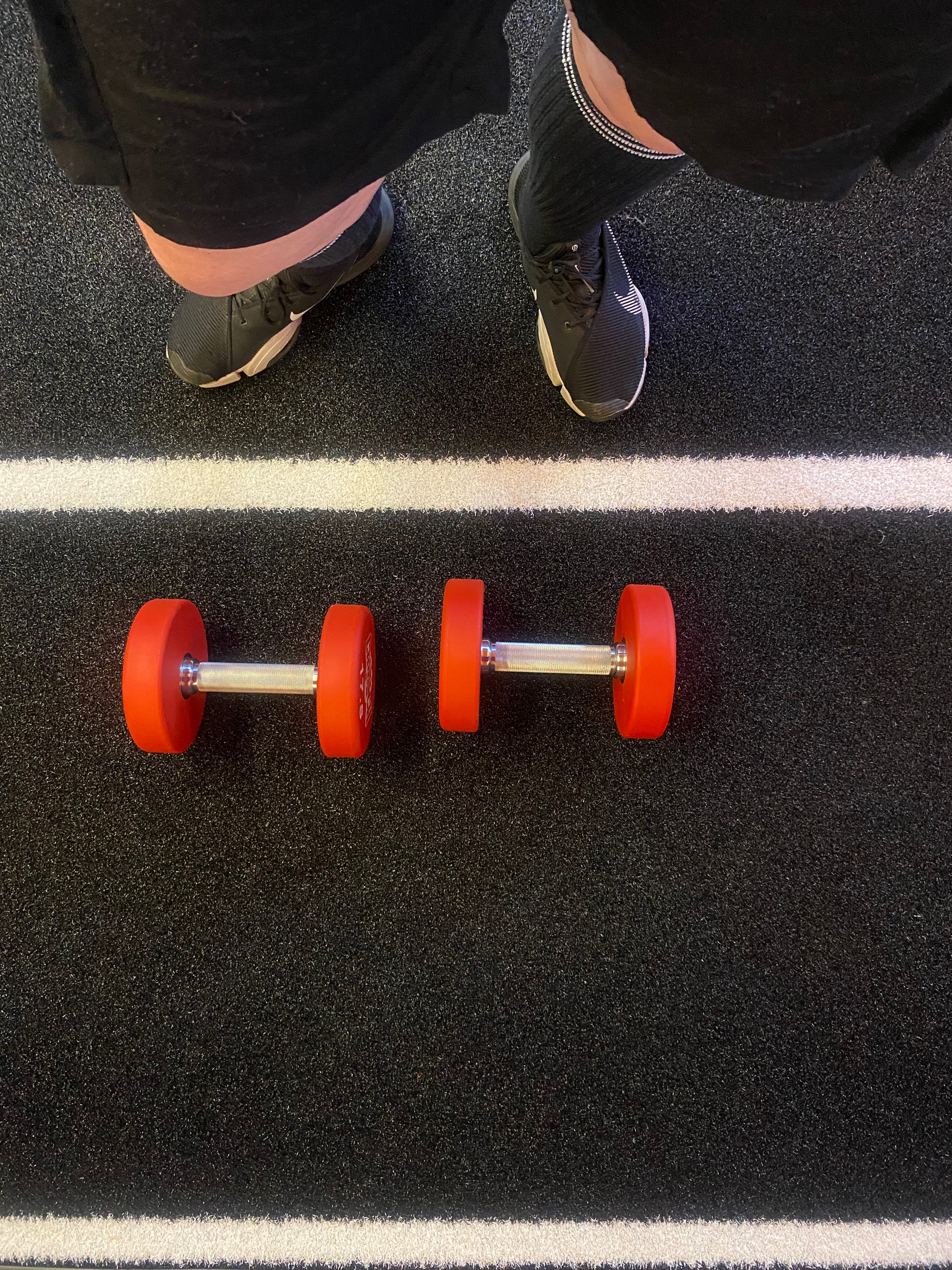
I almost didn’t make it to the gym today. The whole body hardens in winter, but my piriformis chills with a scream. Late afternoon, I finally walk through the Crunch doors, laundry and disinfectant overwhelming the sweat smell in the air. A dopamine hit with the beep of the scanner reading the barcode on my keyring. Everywhere, beautiful, focused bodies. I don’t look but find my sync, moving through a private ritual of machines. Not exactly zen: I’m stimming with a book tape, in between two subtitled overhead TVs, and playing Solitaire on the StairMaster’s display screen. A bad techno remix bleeds through my headphones following me wherever I go in the room. At the free weights, I watch myself in the mirror, remembering to breathe as I count. The person who showed up today stares back. The moment eclipses whoever else they are or want to be.
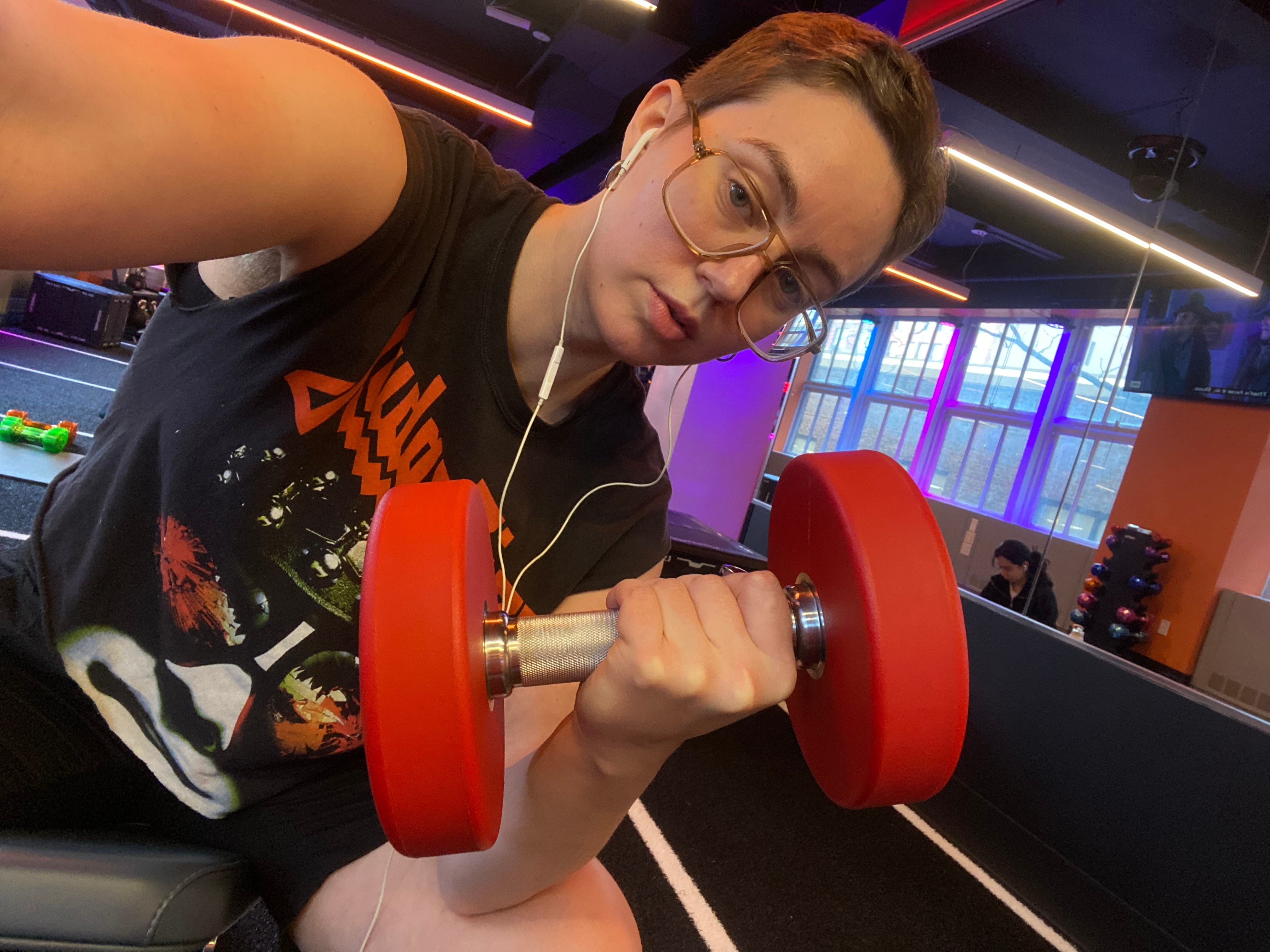
Whitney Mallett is a writer based in New York and the founding editor of The Whitney Review of New Writing.
Thank you for the article. I just launched a Substack community built around phone free morning walks, with a weekly Nike shoe feature if you would like to check it out. https://invisiblegains.substack.com/p/first-step?r=37u1q2&utm_campaign=post&utm_medium=web