

There is an I in team. Spelling isn’t everything, instead it’s what’s in the meat. In meeting the preface of the noun, I am team. I’m in many. I am One.
“But the One is harmonic; it is full of itself, and like a god it is enough to nourish its dreams. The unity of the world is, on the contrary, burdensome, its thickness in contrast to the drive of the Vow.”
This capitalised One of Glissant’s framing is a team for me. One/Team is a rich god in sync to weave the narrative of the goal of dreams. A team can also be burdensome, like the unity of the world he speaks of, yet to be burdened by those who show up for you, with you, is the name of the game I learned I most wanted to play.
I always make mistakes.
We all make mistakes.
Immediately, the weight of the plurality of mistakes on the singular “I” casts a ton of bricks onto the soul, smothering the ability to reconcile for reemergence. In contrast, “we all” doubles the muscle, thus balancing plural mistakes with the weight of a split singular: fractions in comparison to sum.
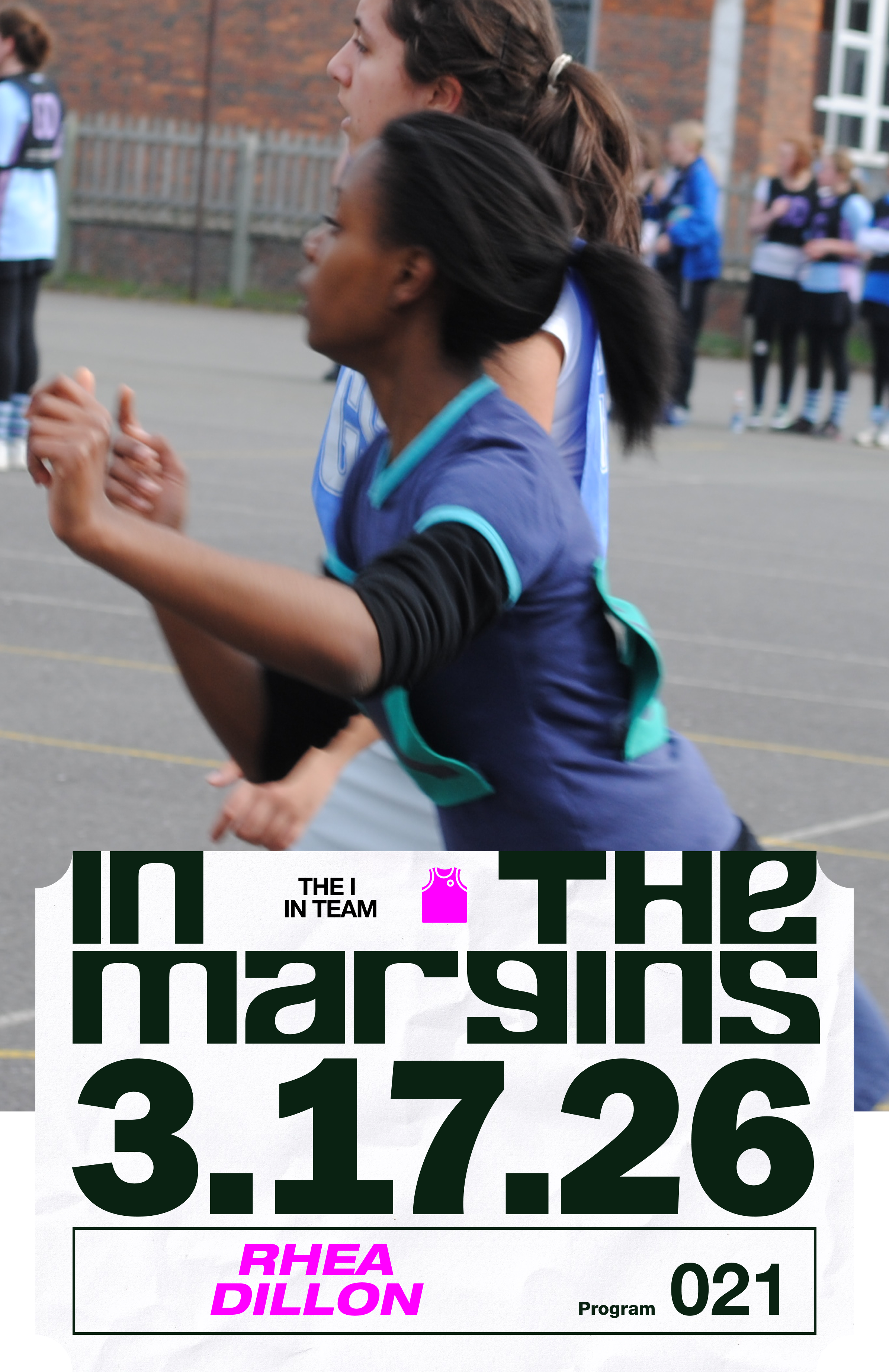
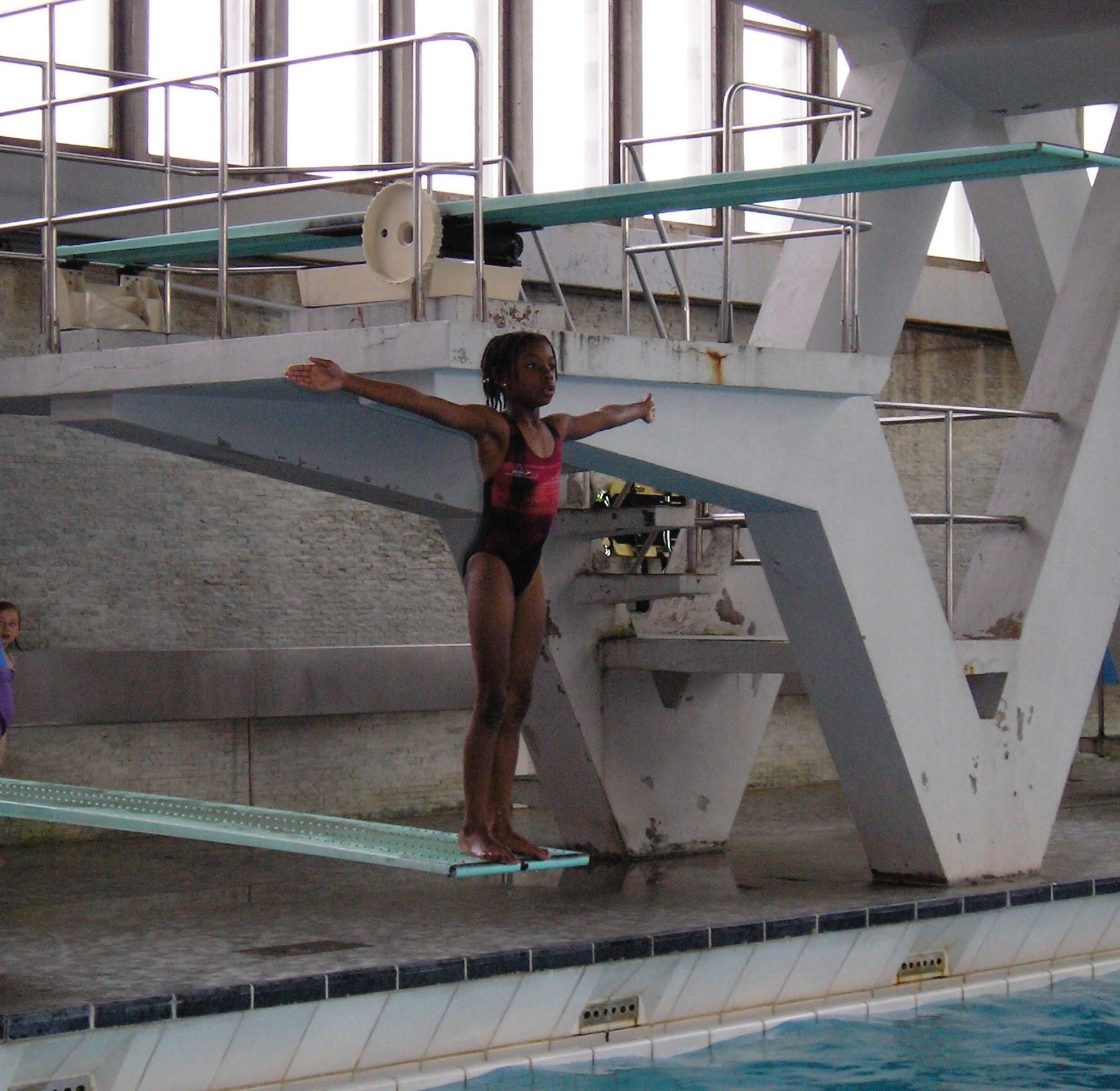
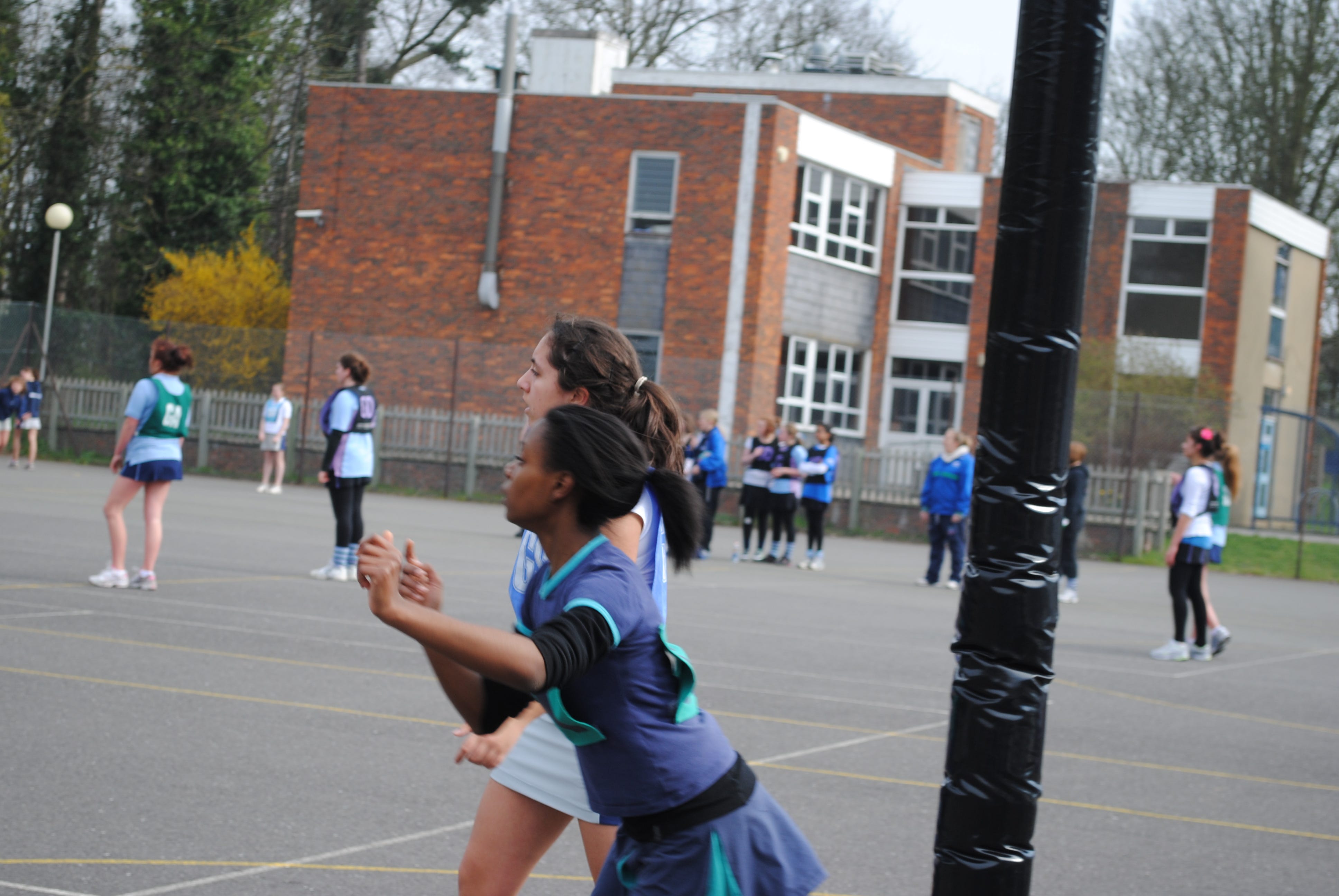
Gymnastics, diving, track, high jump, netball, hockey, football, swimming, archery, surfing, fencing and rounders all under ten forced a listening into me. I don’t remember month nor year, but I do remember feeling a sudden shift in my desire to show up for myself. To show up just for myself became harder. Harder to breathe through the idea of me versus you. It’s quite a direct channel that the solo competitor has to think through: me versus you. You all are here, but I am la reina. (One of my coaches was Spanish, so the diction of the crown remains.)
Researching ‘the psychology of “we” versus “I”’ reveals the shift of the individual, autonomous, and personal agency towards inclusion, shared identity, and mutual support that are employed in the transition between these two pronouns. This linguistic distinction taps into fundamental aspects of human psychology related to self-concept and social bonding. My first social bond was sport. Not a player, not a crush, not the game: sport. Sport: showing up, endurance—[end]. The third in that list should be the cool down, but I didn’t cool down enough in my youth. This makes sense as to why the tongue analysis of last week stated my insides are too hot. Fire. I have cracks on my tongue and scars in my veins. The sweat bloomed me, then evaporated my first step onto this path; my first true breath, so I thought. And thus, first idea of relief. Defined by Oxford Languages, sport /spôrt/ noun, 1. an activity involving physical exertion and skill in which an individual or team competes against another or others for entertainment. Sport sublation is single goal diffused to shared arrival at the finish line. As an only child there is such a focus on soloism that to dialectically sublate “goal” into the “finish line” (where the latter has more literal space in my visual mind for others to cross beside me) allows for the clearing to return as concept and homestead. Sport is how I knew my body to be alive to my mind. Once felt, I could transform to desire. In the waxing came the waning, and a system of process creates product (practice makes perfect) solidified as fundamental foundational footing.
Then, of course, there’s the tool, implement, device, appliance, apparatus, instrument that makes a game: the small rounded object we are trying to contain in space. The instrument in a game is passed around to be moulded by many into a space. It is wind, strings, drums: the full orchestra is required for the beat of the turf. If you don’t show up in the empty space of the missing player, the whole sound will be off. Things can be composed for a duo, trio, quartet, sextet… you just have to know, to know. A work to be done but a swift understanding is thus kept. That is how my brain works. It’s clear now that a joy for team sports wired it this way. We ensemble: a team, practice: a practice, to score: a score. I like to see who I know and know who I see. I don’t need much but the clarity of that crew; ensemble; team; family; home.
Stretching your limbs to meet the starting place, the inside of a door frame for example, One is the circle as well as the crossed body. “Out of Many, One People” rings the national motto of Jamaica, and perhaps an ancestral awakening of this in my mind’s eye. Bearer of souls. One feels better, together. One has a wholeness to match the enlarged O of its opening. A completion via the circle. In this ring, I birthed more than just lean limbs to whip a schoolground nemesis; more than thick hairs down my thighs against the chafing of a rogue hand; more than wide shoulders cut through five metres of landing waves in pools of tears, and came to understand that if I couldn’t see others along my shoreline I would start to regress, and eventually I give up.
I was never a lonely child when I had a team. “Mum’s Taxi” adorned the back car window since I was always being ferried to a club, court, pool, pitch in a town, county, hall, village. Through practice I played and through playing I won (and lost, though rare). It was revealed to my third eye that the winning didn’t feel as good without the wide hug of all my teammates to create said ring. The ring aligned with the One—I stood stronger within it. This ring made the trials of youth to adult – trials equalling the losses of growing against the winning of balling – all the more bearable because there was a clarity on who was for you and who wasn’t. The reality of team clarity persists as a desire for me today, and proves itself as anomaly in many a crowded space.
I know I am the I in team. I highlight myself training in the face of resistance of an other. I place one foot in front of the other. I make ties with those who tire of other. And we vow to complete this life as One.
A short bibliography:
Poetic Intention by Édouard Glissant, 1969 (Page 9)
Beloved by Toni Morrison, 1987
https://languagehat.com/sublate/
https://plato.stanford.edu/entries/hegel-dialectics/
Rhea Dillon is an artist, writer and poet based in London and NY.
